Beans for Brain

Trained but Unwanted: The Silent Crisis of International PhD Students in a Disinterested Job Market

Trained for Excellence, Left Without Opportunities

The international PhD students job crisis is a growing concern across academic and industry landscapes. Despite years of rigorous training, many highly qualified researchers find themselves unwanted, underemployed, or entirely overlooked in today’s shrinking job market.

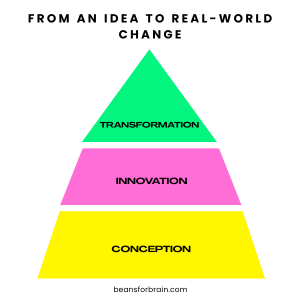
A three-step graph showing Conception, Innovation, and Transformation phases in a PhD journey

𝐓𝐡𝐞 𝐎𝐩𝐩𝐨𝐫𝐭𝐮𝐧𝐢𝐬𝐭-𝐎𝐩𝐭𝐢𝐦𝐢𝐬𝐭 urges

Make the most of everything. Take what you get—big or small—and chase your aspirations. Something will click.

𝐓𝐡𝐞 𝐕𝐮𝐥𝐧𝐞𝐫𝐚𝐛𝐥𝐞 𝐑𝐞𝐚𝐥𝐢𝐬𝐭

Identify Stakeholders and Build Support for Your Strategy

𝐓𝐡𝐞 𝐁𝐨𝐥𝐝 𝐏𝐞𝐬𝐬𝐢𝐦𝐢𝐬𝐭

speaks more loudly as we advance in our PhDs, arguing that no amount of patience or perseverance guarantees opportunity. Citing market volatility, economic uncertainty, and employer hesitancy, it proposes a detached resignation:

“Don’t glow just go with the flow. Keep calm and move on. The world isn’t running anywhere.”

𝐓𝐡𝐞 𝐑𝐞𝐚𝐥 𝐓𝐞𝐧𝐬𝐢𝐨𝐧

And then comes a deeper, structural dilemma.

Recent shifts in government policy and university strategy globally—such as cuts to research and development (#NHIFundingCuts) and tensions with top institutions (#HarvardUniversity)—signal a wider systemic undervaluing of academic research and talent pipelines.


𝐂𝐨𝐮𝐥𝐝 𝐭𝐡𝐢𝐬 𝐦𝐞𝐚𝐧 𝐞𝐯𝐞𝐧 𝐟𝐞𝐰𝐞𝐫 𝐫𝐨𝐥𝐞𝐬 𝐟𝐨𝐫 𝐏𝐡𝐃𝐬 𝐢𝐧 𝐭𝐡𝐞 𝐧𝐞𝐚𝐫 𝐟𝐮𝐭𝐮𝐫𝐞, 𝐩𝐚𝐫𝐭𝐢𝐜𝐮𝐥𝐚𝐫𝐥𝐲 𝐢𝐧 𝐢𝐧𝐝𝐮𝐬𝐭𝐫𝐲. 𝐓𝐡𝐞 𝐩𝐫𝐞𝐬𝐭𝐢𝐠𝐞 𝐨𝐟 𝐭𝐡𝐞 𝐝𝐨𝐜𝐭𝐨𝐫𝐚𝐭𝐞 𝐫𝐢𝐬𝐤𝐬 𝐟𝐚𝐥𝐥𝐢𝐧𝐠 𝐢𝐧𝐭𝐨 𝐚 𝐤𝐢𝐧𝐝 𝐨𝐟 𝐩𝐫𝐨𝐟𝐞𝐬𝐬𝐢𝐨𝐧𝐚𝐥 𝐥𝐢𝐦𝐛𝐨.

A Call for Dialogue

On behalf of the doctoral research community, I’d like to open a conversation with:

#Recruiters |  #TalentAcquisition | #HiringManagers | #AcademicLeaders | #Policymakers | #ThoughtLeaders | #BusinessOwners | #VentureCapitalists

Should the PhDs adapt and upgrade if Industry can’t help them to secure placements, help in future proofing and pat the back through a make-sense realistic set if demands? 

𝐒𝐢𝐭𝐮𝐚𝐭𝐢𝐨𝐧 𝐨𝐟 𝐜𝐥𝐢𝐦𝐛𝐢𝐧𝐠 𝐚 𝐜𝐚𝐫𝐞𝐞𝐫 𝐥𝐚𝐝𝐝𝐞𝐫 𝐢𝐬 𝐞𝐯𝐞𝐧 𝐦𝐨𝐫𝐞 𝐮𝐧𝐜𝐞𝐫𝐭𝐚𝐢𝐧 𝐭𝐡𝐚𝐧 𝐭𝐡𝐞 𝐏𝐡𝐃 𝐢𝐭𝐬𝐞𝐥𝐟.

They are performing research, sharpening teeth on next gen tech, shaping trajectories of growth, and networking with Who and Who not? – Yet, PhDs ponder this very Question.

𝐈𝐬 𝐈𝐭 𝐀𝐥𝐥 𝐄𝐯𝐞𝐧 𝐖𝐨𝐫𝐭𝐡 𝐈𝐭?

FAQs

1. What challenges do international PhD students face after graduation?

Many international PhD graduates struggle with limited job opportunities, visa constraints, and a shrinking academic job market. Despite their skills, they often feel overlooked or undervalued in both academia and industry roles.

2 . Why is it hard for PhD students to find jobs outside academia?

Industry employers may undervalue academic research experience, preferring candidates with direct commercial skills. A lack of structured pathways between PhD research and industry roles makes the transition difficult.

3. How has the job market changed for international doctoral students?

Global economic shifts, R&D funding cuts, and restrictive immigration policies have made it harder for international PhD holders to secure long-term roles, leading to increased career uncertainty.

4. Is a PhD still worth it in today’s job market?

While a PhD offers deep expertise and research skills, its value depends on the student’s ability to adapt, upskill, and build networks beyond academia. Career outcomes vary widely by field and country.

5 . What can universities do to support PhD students career futures?

Institutions should offer better career planning, industry partnerships, and mental health support. Bridging the gap between academic research and real-world application is key to sustainable career paths.

6. How do international students cope with job market disillusionment?

Many rely on self-motivation, professional upskilling, and peer support. Some pivot to entrepreneurship, data roles, or consulting, while others struggle with mental health and career uncertainty.

Leave a Comment

Your email address will not be published. Required fields are marked *

Scroll to Top